
Trauma & Somatic Therapy
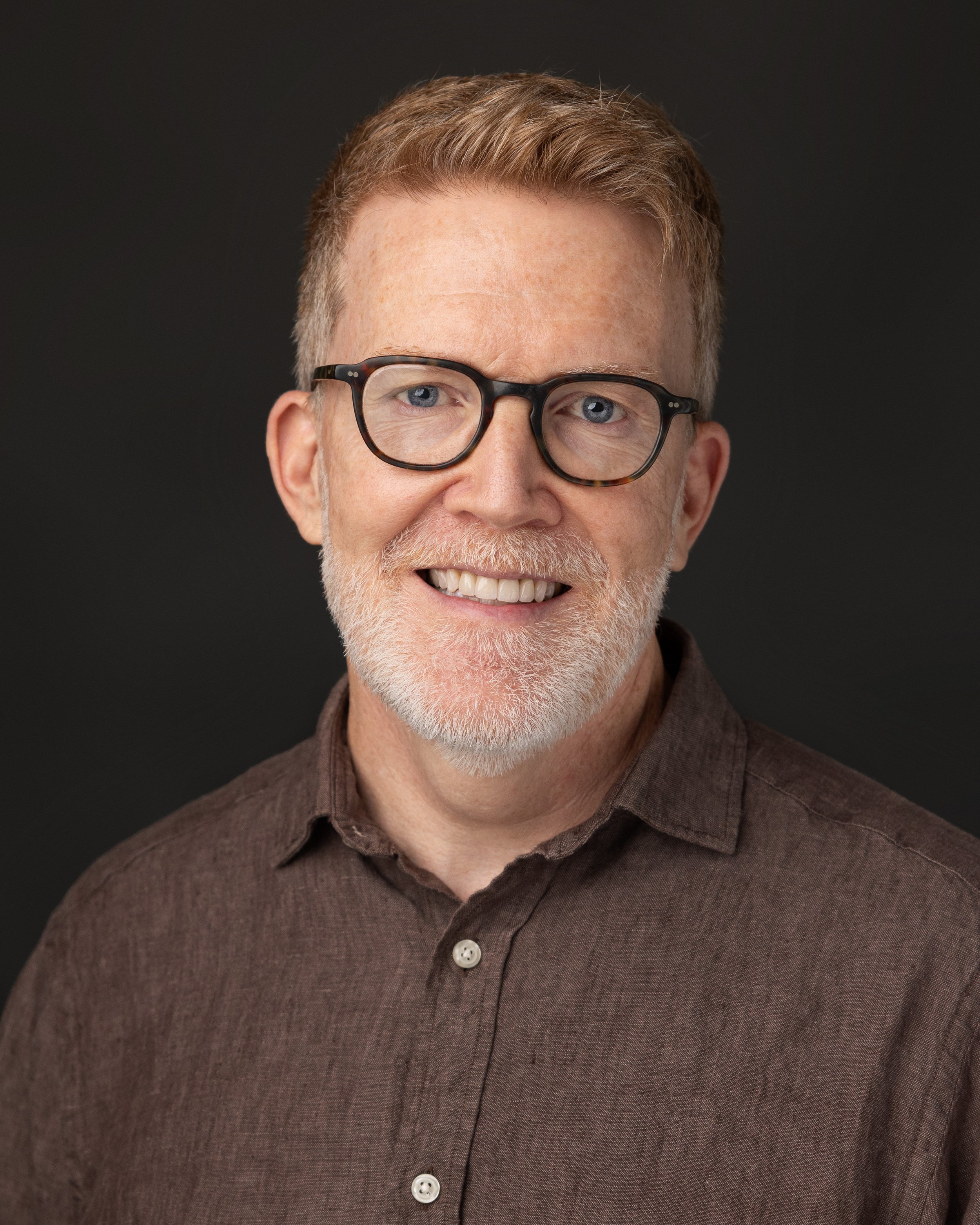
with Sean O’Toole, LMSW
When your body still feels on alert, everything else can feel more challenging, too.
Do you understand what happened to you but still feel shut down or on edge?

Do certain situations trigger reactions that feel bigger than the moment?
Do you experience tension, numbness, withdrawal, or exhaustion without knowing why?
… find yourself disconnected from your body or emotions?
… tend to push through difficult feelings rather than feel them?
Have you tried to think your way through something your body still seems to be carrying?
Does your body react even when your mind knows you’re safe?
Are you ready to explore what your body may be trying to tell you?
“Trauma is a fact of life. It does not have to be a life sentence.”
— Peter A. Levine, PhD
Clients meet with me for therapy when they’re feeling:
Unable to rest or relax
Know you’re safe but not feeling safe
Numbness, shutdown, or disconnection
Stress held as tension, exhaustion, or overwhelm
Reactions that are bigger than the moment
Pushing through despite feeling depleted
Trying to think your way out of everything

You don’t have to carry this alone
Trauma can leave you feeling as though you have to manage everything on your own: understand what happened, keep yourself functioning, and figure out why your body still reacts the way it does.
Therapy offers a relationship in which you don’t have to do all of that by yourself. In our sessions, we can make sense of what you’re experiencing, at a pace that feels manageable and with attention to what you need to feel safe enough to explore.
My approach to somatic therapy
My approach draws primarily on somatic and psychodynamic therapy. We pay attention not only to the story of what happened, but to how those experiences continue to show up in your body. Rather than asking you to revisit painful experiences or explain everything intellectually, we work gradually and collaboratively, noticing sensations, impulses, and shifts as they arise.
Somatic work is always invitational. We move at a pace that leaves room for choice and curiosity, with attention to building greater capacity to stay present with what you’re experiencing. Over time, this can create more flexibility around stress and triggers, making room for new ways of experiencing and responding.
How we’ll work together
There’s no single formula for therapy. We’ll draw on the approaches that best fit your needs and what you’re ready to explore.
Some of the approaches I draw from include:
-
Somatic therapy brings attention to how trauma, stress, and emotion are experienced in the body, not just understood intellectually. It can help you notice patterns of activation, shutdown, or disconnection and develop greater capacity to stay present and respond with more choice.
-
Psychodynamic therapy explores the relationships, beliefs, and patterns that have developed over time and continue to shape how you experience yourself and others. It can help connect present-day reactions with earlier experiences and make room for new ways of understanding yourself and relating to others.
-
Trauma-informed therapy recognizes how past experiences can shape the nervous system, relationships, boundaries, and sense of safety. It helps us approach these patterns with care and curiosity while staying attentive to your pace, resources, and capacity.
-
Item descriptionRelational therapy recognizes that our relationships shape how we understand ourselves and move through the world. Together, we’ll pay attention to the patterns that emerge in your relationships—including what happens between us in therapy—to develop greater understanding, flexibility, and connection.
-
Item description
What is possible after therapy
Therapy with me is not just thinking your way out of a difficult experience or retelling the story yet again.
Clients often report:
Feeling more at home in their bodies
Greater awareness of their needs
More capacity to stay present
Being less ruled by automatic reactions
Greater trust in their signals and boundaries
More flexibility under stress
Feeling more connected to themselves and others
A greater sense of choice

About me
I came to somatic therapy over twenty years ago through my own experience of discovering how much the body can carry that the mind can’t simply think its way out of. Believe me, I tried.
My work is for people who understand what they’ve been through but still find themselves reacting as though the danger is present. Beneath the story, we pay attention to how those experiences continue to shape the nervous system, relationships, boundaries, and sense of self. I believe change begins when we can approach these patterns with curiosity rather than force or willpower, allowing both the body and mind to develop new possibilities for responding.
I’m deeply attentive to what is happening in the therapy room, including the sensations you notice and the moments when something shifts. I bring warmth and genuine care, while staying curious about patterns that may be easy to overlook or difficult to put into words. Somatic work is always invitational and gently paced; there is no need to push past what feels manageable. Clients often describe me as thoughtful, grounded, easy to be with, and deeply present.
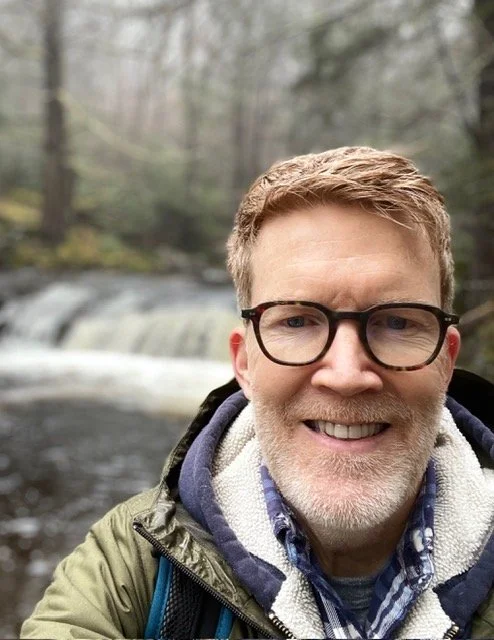
Outside of therapy, I love finding my way back to natural rhythms. I’m happiest in the woods, especially when I can slow down enough to listen to the birds and notice the sounds around me. I also write and meditate, both of which give me ways to step out of the constant rush of everyday life and pay attention to what is happening.
Education & credentials
Master of Social Work – Fordham University
PhD, English Literature – CUNY Graduate Center
Bachelor of Arts, Georgetown University
Certificate in Core Components and Skills for Trauma-Informed Practice, UNC School of Social Work
Somatic Experiencing Professional Training - Completed Modules 1–3, focusing on nervous system regulation and trauma resolution
Continuing education in Psychopharmacology for Psychotherapists, Mood Disorders, and Eating Disorders
Member, National Institute for the Psychotherapies, Clinicians Collective, Community and Beyond–NYC
Pneumaworks Therapy Group — Staff Psychotherapist, working under the clinical supervision of Robert A. Friedrich, LCSW
A longstanding practice of meditation and mindfulness
Getting started together
Ready to loosen trauma’s hold?
You may understand what happened and still find yourself reacting in ways you don’t fully choose.
Therapy can offer a place to understand those patterns, listen to what your body is communicating, and gradually make room for different ways of experiencing and responding.