
Therapy for Identity &
Life Transitions
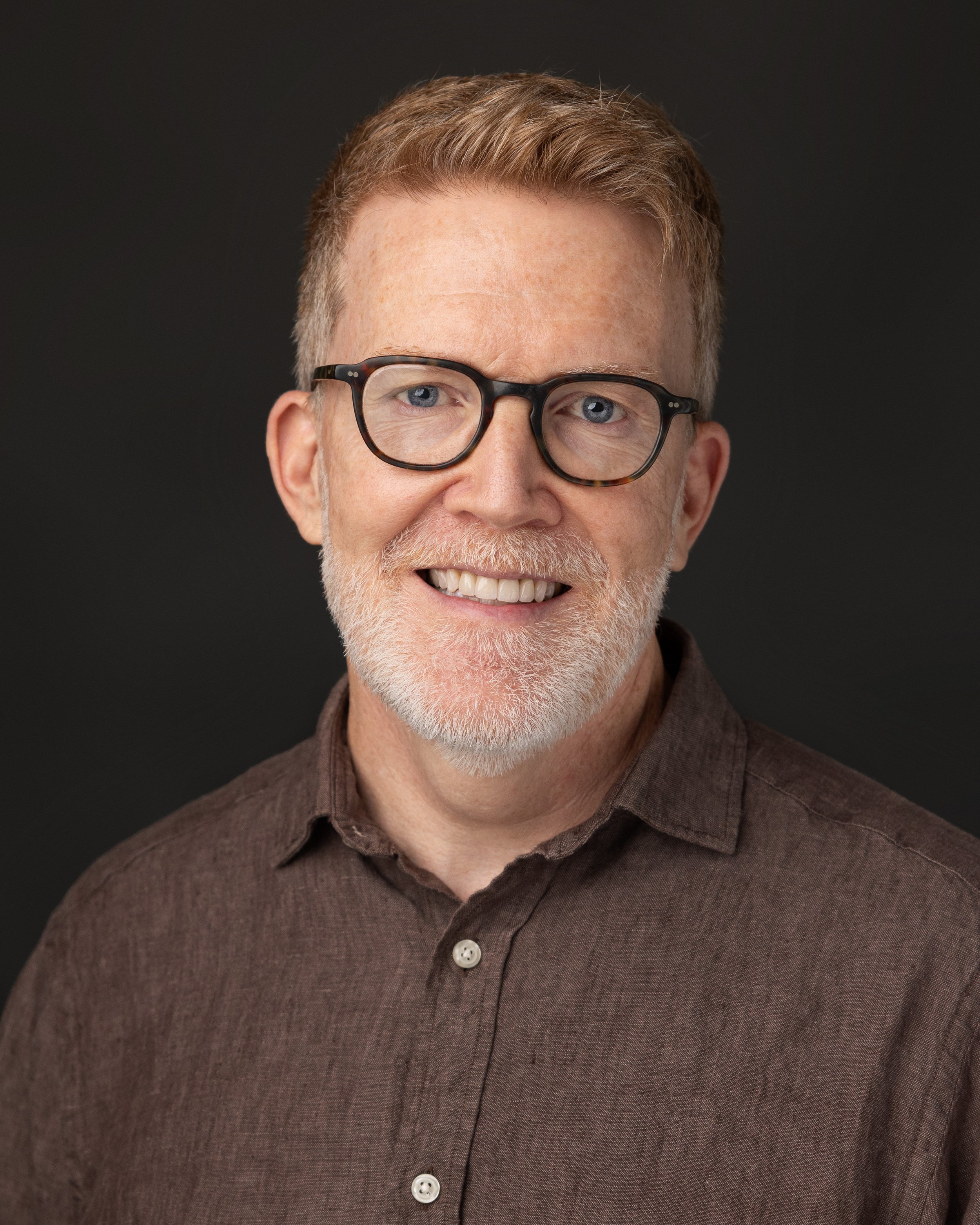
with Sean O’Toole, LMSW
Tending to the inner work of major life changes

Has your life changed in ways you didn’t expect and left you wondering where you stand?

Do you feel lost, anxious, or unsettled about a major life change?
… caught between the life you’ve built and what comes next?
Are you questioning who you are or what you want now?
… struggling to adjust to a new role or identity?
… having trouble letting go of a former version of yourself or your life?
… grieving a future you thought you would have?
… wondering what a meaningful life looks like now?
Some changes feel like a natural progression. Others can shake us to the core.
After my father died, I returned to school to become a psychotherapist. I know firsthand that when the life you’ve built begins to change, it can raise deeper questions about who you are and what comes next.
Whether the change involves work, relationships, family, loss, or simply a growing sense that something no longer fits, therapy can offer a place to take stock, make sense of what’s shifting, and explore what you want your life to become.

You may find yourself asking:
Who am I now?
What do I actually want?
What if the life I’ve been living no longer fits?
How do I know what comes next?
Can I let go of who I thought I would become?
What therapy with me is like
How I support healing and growth:
I pay attention to both the patterns that have shaped your identity and what you’re experiencing in the present.
Sessions are warm, curious, and collaborative, with space to pause, explore what’s beneath the surface, and consider what you want your life to look like beyond the life you’ve come to know.
Clients describe me as thoughtful, easy to talk to, grounded, and attuned.

“There are years that ask questions
and years that answer.”
— Zora Neale Hurston
How we’ll work together in therapy
There’s no single formula for therapy. We’ll develop our work collaboratively, with attention to what you need, what feels useful, and what you’re ready to explore.
Depending on what brings you to therapy, we may draw on:
-
Psychodynamic therapy explores the patterns, relationships, and beliefs that shape how you experience yourself and others. It can help you understand how earlier experiences and identities influence the way you approach change, uncertainty, and relationships.
-
Somatic therapy brings attention to how emotions, stress, and transitions are experienced in the body, not just understood intellectually. It can help you notice how your body responds to uncertainty and change and develop more space to pause, listen, and choose how you respond.
-
Relational therapy recognizes that our relationships shape how we understand ourselves and move through the world. Together, we’ll pay attention to the patterns that emerge in your relationships—including what happens between us in therapy—to develop greater understanding, flexibility, and connection.
-
CBT helps identify patterns of thought and behavior that can make change feel more difficult. It can be useful for working with self-doubt, perfectionism, catastrophic thinking, and fears about what comes next.
-
Mindfulness involves learning to notice thoughts, emotions, and bodily sensations with greater awareness and less automatic reactivity. It can help people step out of habitual cycles of worry and people-pleasing and become more aware of what they actually need.
What would change after therapy?

Clients often report:
More clarity about what they want
A stronger sense of who they are
Greater confidence making difficult decisions
More comfort with uncertainty and change
Less defined by old roles or expectations
Greater trust in their own judgment
More freedom to imagine what comes next
A stronger sense of what matters to them
Feeling more at home in their lives
Greater openness to new possibilities
About Sean O’Toole, LMSW
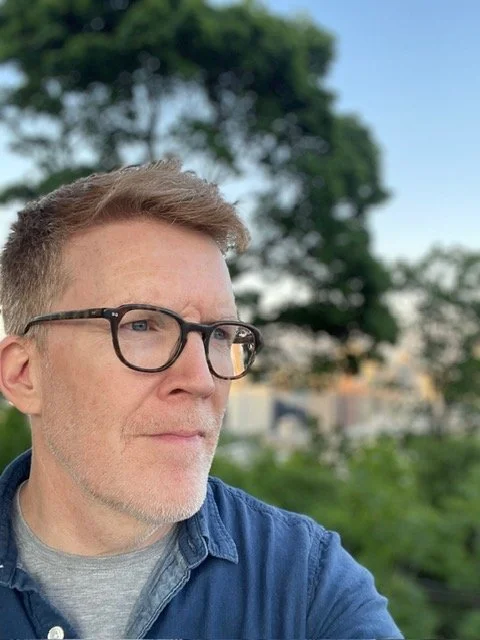
My own experience of reimagining life after loss shapes how I understand major life transitions.
I know how a change that looks straightforward from the outside can raise deeper questions about who you are, what matters to you, and what you want your life to become. In our work, we can explore the expectations, fears, and patterns that shape those questions while making space to notice what you actually want, including what your body may be telling you.
In sessions, I’m curious, engaged, and attentive to what is happening beneath the surface, while also staying grounded in what is happening in your life right now. I bring warmth and genuine care to the room, but I’m also willing to ask the question you may have been avoiding or gently challenge a pattern that no longer serves you. I pay attention to both what you say and what your body may be communicating, and I’ll invite that awareness rather than push it. Clients often describe me as thoughtful, present, and easy to talk to, with a style that is both insightful and compassionate.
Outside of therapy, I’m usually happiest doing something that gets me out of my head and into the world. I play tennis, run, and have recently taken up weaving, which has taught me that I’m not nearly as dexterous as I thought. At home, my dog and partner keep me company and reliably interrupt any attempt to take myself too seriously.
Education & credentials
Master of Social Work – Fordham University
PhD, English Literature – CUNY Graduate Center
Bachelor of Arts, Georgetown University
Certificate in Core Components and Skills for Trauma-Informed Practice, UNC School of Social Work
Somatic Experiencing Professional Training - Completed Modules 1–3, focusing on nervous system regulation and trauma resolution
Continuing education in Psychopharmacology for Psychotherapists, Mood Disorders, and Eating Disorders
Member, National Institute for the Psychotherapies, Clinicians Collective, Community and Beyond–NYC
Pneumaworks Therapy Group — Staff Psychotherapist, working under the clinical supervision of Robert A. Friedrich, LCSW
A longstanding practice of meditation and mindfulness
Ready to discover what comes next?
Major life changes can leave you questioning who you are and where you’re headed. Therapy can offer a place to make sense of what’s changing, reconnect with what matters most, and explore what might be possible from here.