
Therapy for Anxiety & Burnout
Finding your way back to a life that feels like your own
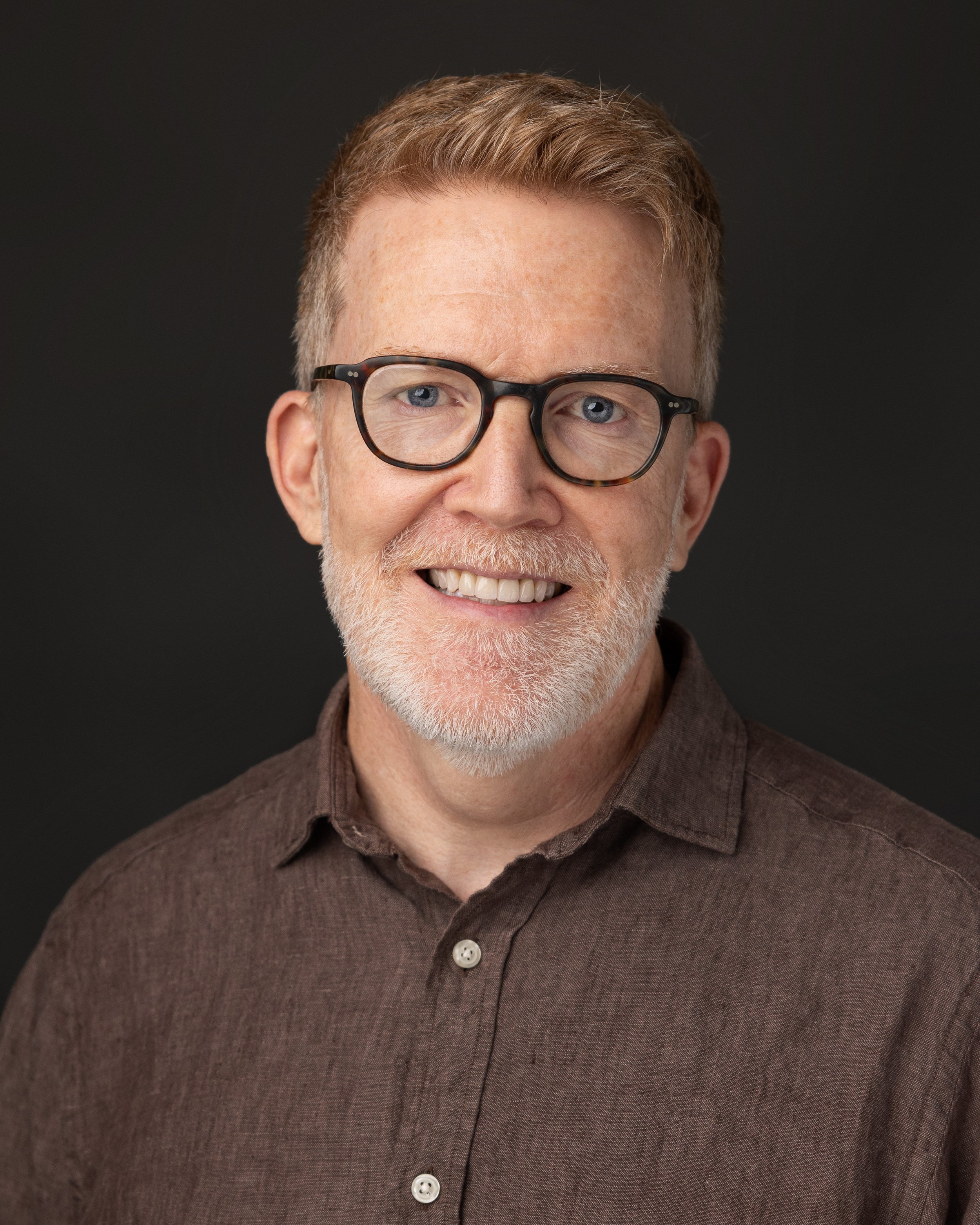
with Sean O’Toole, LMSW
Do you have trouble relaxing because part of you is always anticipating what needs to happen next?
Do you have a hard time saying no, even when you’re already overwhelmed?
… often feel responsible for keeping other people happy or from being disappointed in you?
… worry about making mistakes or falling short, even when you’re objectively doing well?
… know intellectually that you’re safe or doing enough, but your body doesn’t seem to believe it?
… sometimes struggle to know what you actually want when there isn’t a clear expectation coming from someone else?

Clients meet with me for therapy when they’re:
Constantly worrying or overthinking
People-pleasing or fearing disappointment
Stuck in perfectionism or fear of failure
Unable to relax or slow down
Always feeling “on”
Feeling disconnected from themselves

You don’t need to perform here.
All of you is welcome.
You may have spent years learning how to succeed.
You may not have learned how to be yourself.
You know how to work hard, meet expectations, and take care of what needs to be done. Maybe you’ve built a life that looks successful to others, but privately you feel exhausted, anxious, and disconnected from life. You may struggle to rest without guilt or know what you want when there’s no clear expectation to meet.
Therapy offers a place to slow down and understand these patterns without having to impress, so you can begin making choices that feel more like your own.
How we’ll work together

There are many methods that we can use to work together to reach your goals.
Here are some methodologies that I’ll use:
-
Psychodynamic therapy explores the patterns, relationships, and beliefs that shape how you experience yourself and others. It can help you understand where anxiety and people-pleasing come from and begin developing more flexible ways of relating.
-
Somatic therapy brings attention to how emotions, stress, and learned patterns are experienced in the body, not just understood intellectually. It can help clients recognize and regulate the physical patterns of anxiety and develop greater capacity to pause and choose how they respond.
-
Relational therapy recognizes that our relationships shape how we understand ourselves and move through the world. Together, we’ll pay attention to the patterns that emerge in your relationships—including what happens between us in therapy—to develop greater understanding, flexibility, and connection.
-
CBT helps identify patterns of thought and behavior that contribute to anxiety and distress, and develops more helpful ways of responding. It can be particularly useful for challenging perfectionism, catastrophic thinking, and fear of disappointing others.
-
Mindfulness involves learning to notice thoughts, emotions, and bodily sensations with greater awareness and less automatic reactivity. It can help people step out of habitual cycles of worry and people-pleasing and become more aware of what they actually need.
When achievement stops feeling like enough, you may be ready to imagine a different kind of worth.
I work with people who have found success in work but don’t feel like they have success in life.
Together, we explore the patterns that have helped you survive or succeed but may no longer be serving you. The goal is not to stop striving, but to have more choice in how you live, work, and relate.
My approach is primarily psychodynamic and somatic, with attention to both the patterns that shape your life and what you’re experiencing in the present moment, including in your body, if you choose.
What can change in therapy
Clients often describe:
Feeling more at home in their bodies
Greater clarity about what they need and want
More comfort setting boundaries
Less driven by perfectionism and people-pleasing
More ability to slow down and stay present
Greater freedom to respond rather than react
More trust in their own judgment
Greater authenticity in relationships
Less feeling like they’re performing their lives
A greater sense of aliveness and connection
What therapy with me is like
I believe change happens when we can slow down enough to notice our patterns and develop greater capacity to be present with what we’re experiencing. It can be surprising to discover how much choice we actually have.
Sessions are warm, curious, and collaborative, with space to slow down, explore what’s happening beneath the surface, and gently challenge patterns when it’s helpful.
Clients often describe me as thoughtful, engaged, and easy to talk to.

About me
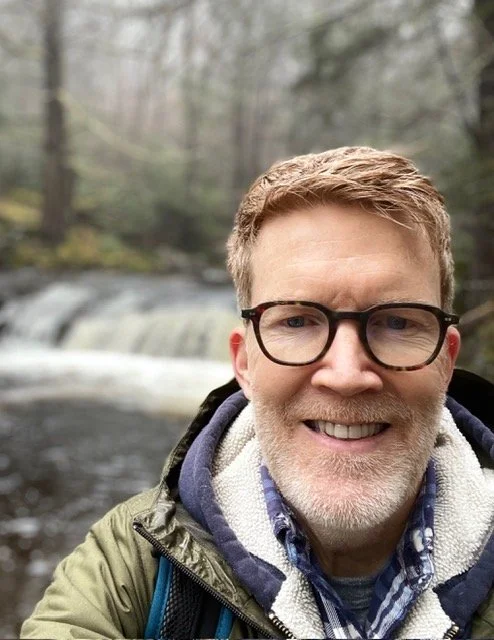
As someone who spent decades in academia, I get it.
I work with thoughtful, high-functioning adults who have learned to succeed by being responsive to other people’s needs, expectations, and demands but are finding that those strategies no longer serve them. We look beneath the anxiety, burnout, perfectionism, and people-pleasing to explore the patterns that shape how you relate to yourself, others, and your own needs—and what your body may already know about them. I believe change happens when we can slow down enough to notice these patterns and develop greater capacity to stay present with our experience. We often have more choice than we thought.
I bring all of myself to sessions—curiosity, warmth, thoughtfulness, humor—and I invite you to bring all of yourself, too. I’m attentive and collaborative, and I’ll listen closely while also being willing to say what I notice when it may be useful. Sessions are a place to slow down, explore what’s happening beneath the surface, and, if it feels okay to you, notice what’s happening in your body—without pressure to perform or have the “right” answer. Clients often describe me as gentle, calm, easy to talk to, and deeply attuned.
Outside of therapy, I’m a devoted dog person, and I spend a lot of time with my Boston terrier, who has a way of getting me out of my head and into the present moment. I’ve always been drawn to languages and the different ways people experience the world through them, and I’m currently learning Spanish. I’d also love to learn to dance bachata—another way of getting out of my head and into my body. I try to leave room for new experiences and the things that make me feel most alive.
Education & credentials
Master of Social Work – Fordham University
PhD, English Literature – CUNY Graduate Center
Bachelor of Arts, Georgetown University
Certificate in Core Components and Skills for Trauma-Informed Practice, UNC School of Social Work
Somatic Experiencing Professional Training - Completed Modules 1–3, focusing on nervous system regulation and trauma resolution
Continuing education in Psychopharmacology for Psychotherapists, Mood Disorders, and Eating Disorders
Member, National Institute for the Psychotherapies, Clinicians Collective, Community and Beyond–NYC
Pneumaworks Therapy Group — Staff Psychotherapist, working under the clinical supervision of Robert A. Friedrich, LCSW
A longstanding practice of meditation and mindfulness
How to get started
-
Reach out using the contact form. Share a bit about what’s bringing you to therapy—no need to overthink it. I’ll get back to you with next steps.
-
After receiving your contact, options will be provided for having a consultation or directly scheduling an appointment.
-
If we decide to work together, in our first full session, we’ll dive into what’s been feeling stuck or painful. I’ll help you slow things down, name what’s not working, and begin mapping a path forward.
-
We’ll work together weekly to explore the patterns shaping your experience and develop a shared understanding of your goals. From there, our work will unfold at a pace that feels right for you.
Ready to make more room for yourself?
If you’re tired of measuring yourself by what you accomplish and how you make others feel, therapy can help you reconnect with what matters to you.